Customer engagement is essential for building strong customer relationships, increasing loyalty, and supporting long-term business growth. When customers feel understood, valued, and supported, they are more likely to return, recommend your business, and develop trust in your brand.
However, creating meaningful customer engagement requires more than sending promotional emails or responding to customer inquiries. Businesses need to understand their audiences, deliver personalized experiences, provide timely support, and communicate through the channels their customers prefer.
Customer engagement strategies help businesses create these meaningful interactions throughout the customer journey, from the first website visit to repeat purchases and ongoing customer support.
In this guide, we explore 12 powerful customer engagement strategies that businesses can use to improve customer experiences, strengthen relationships, increase customer retention, and drive sustainable growth.
What Is Customer Engagement?
Customer engagement refers to the ongoing interactions between a business and its customers across different channels, including websites, email, social media, live chat, mobile applications, and customer support.
Effective customer engagement focuses on delivering relevant information, personalized experiences, and helpful assistance at every stage of the customer journey.
For example, a business might engage customers by recommending relevant products, answering questions through live chat, sharing educational content, or following up after a purchase to collect feedback.
The goal is to create valuable interactions that encourage customers to remain connected with your business.
Why Are Customer Engagement Strategies Important?
A well-defined customer engagement strategy helps businesses understand customer expectations and deliver experiences that encourage long-term relationships.
Here are some important benefits of effective customer engagement:
- Improved customer retention: Positive experiences give customers more reasons to continue buying from your business.
- Stronger customer loyalty: Consistent communication and reliable support help build trust in your brand.
- Higher conversion rates: Timely assistance and relevant recommendations help customers make informed purchasing decisions.
- Better customer insights: Feedback and interaction data reveal customer preferences, expectations, and pain points.
- Increased customer satisfaction: Personalized communication and responsive support make customers feel valued.
- More opportunities for growth: Satisfied customers may recommend your products or services to others.
To achieve these benefits, businesses need customer engagement strategies that focus on delivering value rather than simply increasing the number of interactions.
12 Powerful Customer Engagement Strategies to Improve Customer Relationships
Having established that this is core to ensuring significant gains in your company, let’s now look at how to create customer engagement strategies that will elevate your company to the top heights of business anywhere in the world.
1. Understand Your Customers and Their Journey
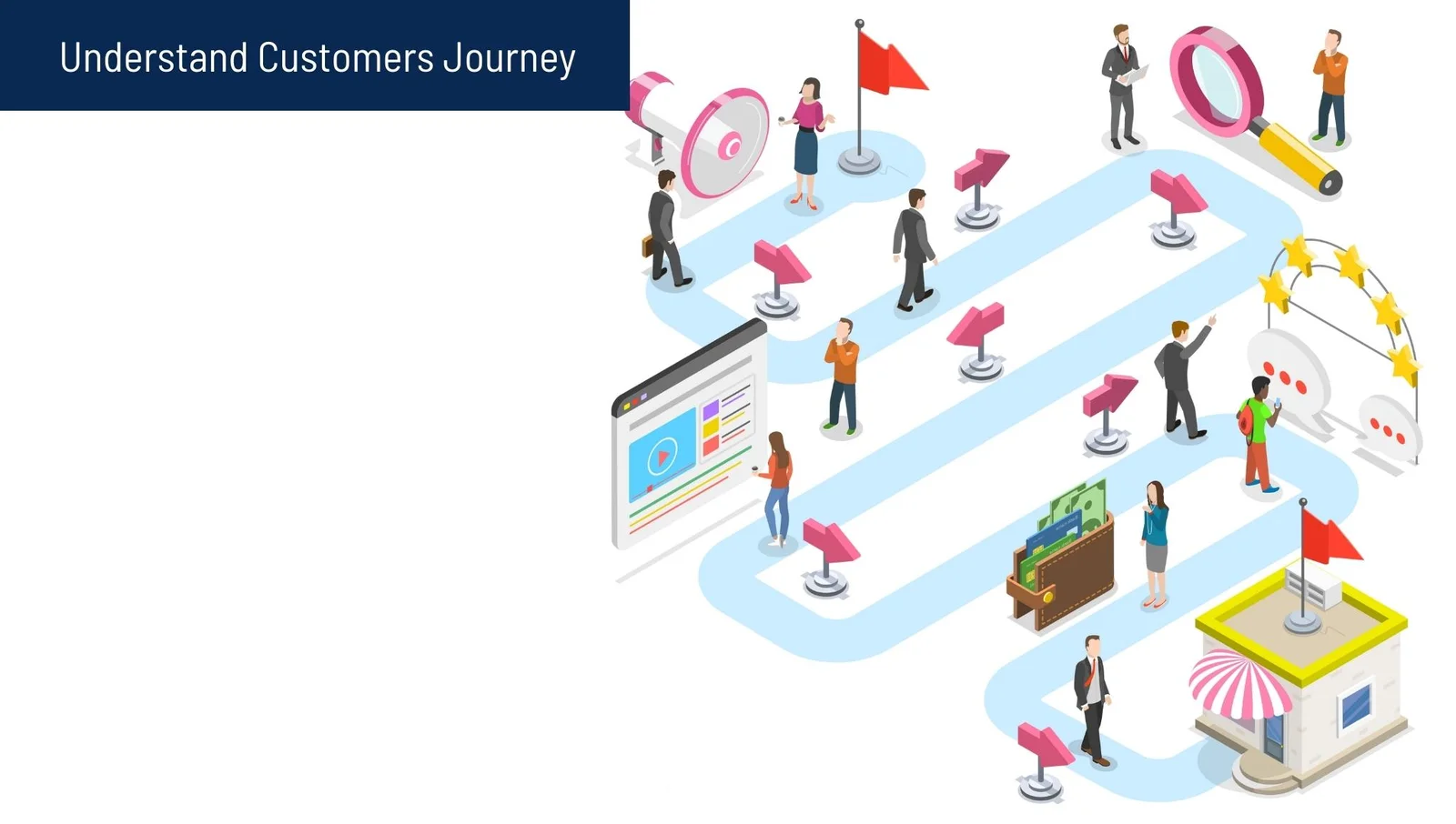
Understanding your customers is the foundation of effective customer engagement. Before developing a strategy, identify who your customers are, what they need, and how they interact with your business.
Start by analyzing customer demographics, purchasing behavior, frequently asked questions, support requests, and feedback. These insights help you understand what customers expect at different stages of their journey.
Next, map the customer journey, including awareness, consideration, purchase, and post-purchase interactions. Identify where customers experience confusion, delays, or difficulties.
For example, if visitors frequently leave your website on a product page, investigate whether they need more information, clearer pricing, or easier access to customer support.
How to implement this strategy:
- Develop customer profiles based on relevant customer data.
- Map important customer touchpoints across online and offline channels.
- Identify common customer questions and challenges.
- Analyze website behavior, purchase history, and support interactions.
- Use these insights to improve the customer experience.
When you understand your customers’ needs and expectations, you can create more relevant interactions and identify opportunities to improve engagement.
2. Segment Your Customers into Relevant Groups
Not every customer has the same interests, preferences, or purchasing behavior. Customer segmentation helps businesses organize their audiences into meaningful groups and deliver more relevant communication to each group.

You can segment customers according to demographics, location, purchase history, interests, engagement levels, or stage in the customer journey.
For example, an online store could create separate segments for first-time buyers, repeat customers, customers who abandoned their shopping carts, and customers who have not purchased recently.
Each group can then receive communication that matches its needs.
A first-time customer might receive a welcome email with helpful product information, while a repeat customer could receive recommendations based on previous purchases.
How to implement this strategy:
- Identify customer characteristics relevant to your business.
- Group customers according to shared needs or behaviors.
- Create targeted email campaigns and relevant offers.
- Review segment performance regularly.
- Update customer segments as preferences and behaviors change.
Effective segmentation makes communication more relevant, reduces unnecessary messages, and helps businesses build stronger customer relationships.
3. Personalize Customer Experiences
Personalization is one of the most practical customer engagement strategies because it helps businesses make interactions more relevant to individual customers.
Instead of sending the same message to everyone, use available customer information to tailor product recommendations, website content, emails, offers, and support experiences.

For example, an e-commerce business can recommend products based on a customer’s browsing history or previous purchases. A service-based company can send appointment reminders or helpful resources related to a customer’s interests.
Personalization can also include addressing customers by their preferred names, remembering their preferences, and providing relevant follow-up communication.
However, personalization should always be useful and respectful of customer privacy. Businesses should use customer information responsibly and follow applicable data protection requirements.
How to implement this strategy:
- Personalize email subject lines and message content.
- Recommend relevant products or services.
- Send updates based on customer preferences and actions.
- Customize website experiences where appropriate.
- Use customer feedback to improve future interactions.
When customers receive information that matches their needs, they can find the products, services, and support they want more easily.
4. Use Chatbots for Faster Customer Engagement
Customers often leave a website when they cannot find the information they need quickly. Chatbots can help businesses address this problem by providing immediate responses to common questions and guiding visitors toward relevant information.

Unlike traditional lead forms, conversational chatbots allow visitors to interact with a business through a series of questions and responses. This can make the information-gathering process more convenient and help reduce friction.
For example, a chatbot on a software company’s website can ask visitors about their business needs, explain available features, and direct qualified prospects to the sales team.
Businesses can also use chatbots to answer frequently asked questions, collect inquiries, qualify leads, and guide visitors toward relevant resources.
Learn more about generating leads with live chat and chatbots.
How to implement this strategy:
- Identify common customer questions that can be automated.
- Create simple, helpful chatbot conversations.
- Ask only for information that is necessary.
- Provide a clear option to connect with a human representative.
- Review chatbot conversations to identify unanswered questions.
Chatbots work best when they make customer interactions easier rather than creating additional obstacles.
5. Involve Customers Through Surveys and Crowdsourcing
Customers can provide valuable ideas for improving your products, services, and overall customer experience. Surveys and crowdsourcing give them opportunities to share their opinions and participate in decisions that affect their experience with your business.

Crowdsourcing involves gathering ideas, feedback, or solutions from a larger group of people. Businesses can use this approach to understand customer expectations, discover new ideas, and identify areas for improvement.
For example, a software company could invite customers to vote on potential features. An online retailer might ask customers to suggest new product categories or provide feedback on a recent shopping experience.
Customer surveys can also help businesses measure satisfaction and understand why customers choose or leave a particular service.
How to implement this strategy:
- Create short surveys focused on specific questions.
- Invite customers to suggest improvements.
- Use polls to understand preferences between different options.
- Encourage product reviews and constructive feedback.
- Share relevant updates about improvements made from customer suggestions.
When customers see that their opinions lead to meaningful changes, they have more reasons to participate and stay connected with your business.
6. Educate Your Audience with Valuable Content
Customer engagement is not limited to promotional messages. Providing useful information helps customers understand your products, solve problems, and make confident decisions.

Educational content can include blog posts, tutorials, product demonstrations, FAQs, webinars, email newsletters, and step-by-step guides.
For example, a software company could publish tutorials explaining how to use its features, while an online retailer could create buying guides that help customers compare products.
Businesses can also use email marketing and customer relationship management (CRM) tools to share relevant resources based on customer interests and interactions.
The key is to provide information that answers real customer questions instead of focusing exclusively on selling.
How to implement this strategy:
- Identify the questions customers frequently ask.
- Create helpful articles, videos, and tutorials.
- Share relevant educational resources through email and social media.
- Develop onboarding guides for new customers.
- Use CRM data to deliver content that matches customer needs.
Consistently sharing valuable content positions your business as a useful resource and encourages customers to return when they need additional information.
7. Improve Engagement with Visual Support Tools
Some customer questions are difficult to resolve through text alone. Visual engagement tools can help businesses explain complicated processes, demonstrate products, and guide customers through tasks in real time.

These tools include screen sharing, co-browsing, annotated screenshots, video demonstrations, and interactive product tours.
For example, a support representative assisting a customer with a software issue could use screen sharing to demonstrate the correct steps. An e-commerce sales representative might guide a customer through product options or explain how to complete a purchase.
Co-browsing allows an authorized representative and a customer to view and interact with the same web page during a support session. When implemented appropriately, it can make troubleshooting and navigation easier.
Businesses must protect sensitive information during these sessions. Representatives should not access or expose payment details, passwords, or other confidential customer information unnecessarily.
How to implement this strategy:
- Identify situations where visual explanations can improve support.
- Offer screen sharing or co-browsing when appropriate.
- Use product videos and interactive demonstrations.
- Train support teams to guide customers clearly.
- Apply suitable privacy and security controls.
Visual engagement tools can reduce confusion, improve understanding, and help customers complete tasks with greater confidence.
8. Respond to Customer Feedback and Learn from Mistakes
Customer complaints are opportunities to understand problems and improve the customer experience. How your business responds to negative feedback can influence whether customers remain loyal or choose another provider.

When customers report an issue, listen carefully, acknowledge their concerns, and explain the steps you will take to resolve the problem. Avoid rushing through the conversation or providing generic responses that do not address the customer’s specific situation.
For example, if a customer experiences a delayed delivery, explain the reason if known, provide an updated delivery estimate, and communicate the next steps clearly.
After resolving the issue, investigate its underlying cause. If the same problem occurs repeatedly, review the relevant processes and make changes to prevent it from happening again.
How to implement this strategy:
- Monitor customer complaints across relevant channels.
- Respond promptly and acknowledge the customer’s experience.
- Explain solutions and expected timelines clearly.
- Record recurring problems and identify their root causes.
- Follow up when necessary to confirm that the issue has been resolved.
A thoughtful response demonstrates accountability and shows customers that their concerns matter to your business.
9. Understand What Drives Customer Satisfaction
Customer feedback provides insight into what customers value most about your products, services, and support. Collecting feedback regularly helps businesses identify strengths, uncover problems, and prioritize improvements.
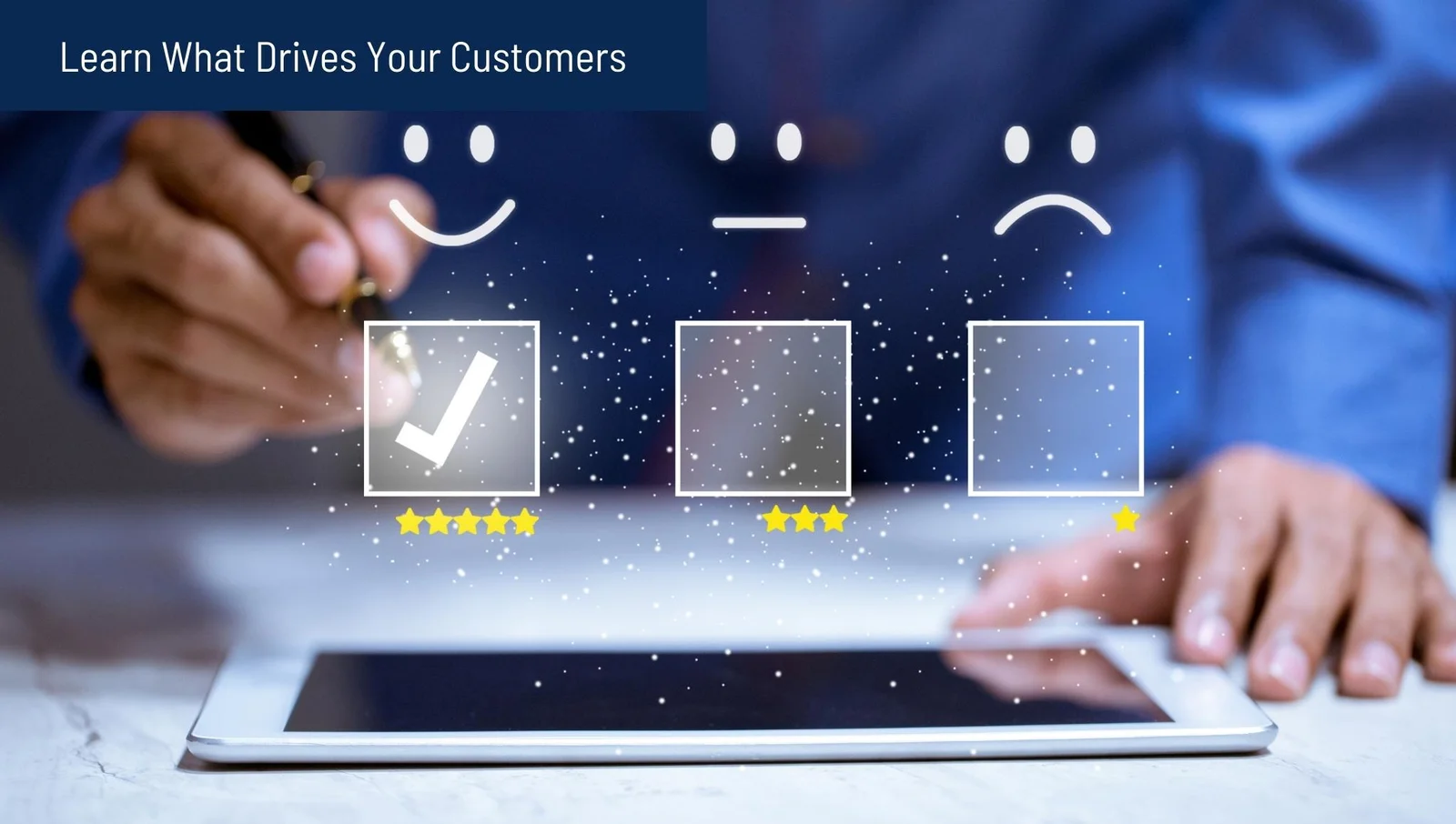
Instead of asking broad questions without a clear purpose, focus on specific aspects of the customer experience.
For example, you could ask whether customers found your website easy to navigate, whether your support team resolved their issue, or what would make your product more useful.
You can collect this information through surveys, post-purchase emails, customer interviews, website feedback forms, and support conversations.
It is also important to act on the feedback you receive. Gathering opinions without making meaningful improvements can reduce customers’ willingness to participate in future surveys.
How to implement this strategy:
- Ask customers about their recent experiences.
- Measure satisfaction at relevant points in the customer journey.
- Identify recurring themes in customer comments.
- Compare feedback across customer segments.
- Communicate improvements when customer suggestions lead to changes.
Understanding what customers appreciate and what frustrates them helps your business make informed decisions that improve engagement and satisfaction.
10. Simplify Appointment Booking and Follow-Ups
A complicated booking process can discourage customers from scheduling consultations, product demonstrations, service appointments, or support sessions.
Automated appointment booking tools and chatbots can simplify this process by allowing customers to choose available time slots without waiting for a team member to respond.
Once an appointment is scheduled, businesses can send confirmation emails, calendar invitations, reminders, and follow-up messages.
For example, a B2B software company could allow potential customers to schedule product demonstrations through its website. A service-based business could automatically send appointment reminders and provide instructions before a scheduled visit.
Automation helps reduce repetitive administrative work while keeping customers informed.
How to implement this strategy:
- Add a simple appointment booking option to your website.
- Display available time slots and relevant appointment details.
- Send automatic confirmations and reminders.
- Allow customers to reschedule or cancel easily.
- Provide a clear way to contact a human representative when needed.
By removing unnecessary steps from the booking process, businesses can make it easier for customers to take action and remain engaged.
11. Combine Chatbots with Live Chat Support
Chatbots and live chat serve different but complementary purposes. Chatbots can respond to common questions quickly, while human representatives can provide personalized assistance for complex or sensitive issues.

A balanced approach allows businesses to provide timely support without losing the human connection that customers often value.
For example, a chatbot can help visitors find pricing information, explain basic product features, or collect details about an inquiry. If a customer needs a customized solution or has a complicated problem, the conversation can be transferred to a trained representative.
A smooth handover is important. Customers should not have to repeat information they have already provided to the chatbot.
How to implement this strategy:
- Use chatbots to handle common, repetitive questions.
- Define clear situations that require human assistance.
- Transfer conversations with relevant context whenever possible.
- Train agents to understand customer needs before offering solutions.
- Review response times, resolution rates, and customer feedback.
Combining automation with human support helps businesses balance efficiency with personalized customer care.
12. Deliver Exceptional Customer Service and Re-Engage At-Risk Customers
Exceptional customer service is one of the most important elements of long-term customer engagement. Customers want to feel heard, receive accurate information, and get help when they need it.

However, customer service should not begin and end with resolving complaints. Businesses should also identify customers who may be losing interest and provide relevant support before the relationship ends.
For example, an online store could send a helpful reminder to customers who abandon their shopping carts. A subscription-based business might contact customers whose usage has declined to understand whether they are facing difficulties.
These interactions should focus on providing value rather than pressuring customers to buy.
How to implement this strategy:
- Train customer service teams in communication and problem-solving.
- Provide consistent support across email, phone, chat, and other channels.
- Monitor customer engagement and identify signs of declining activity.
- Offer helpful reminders or relevant resources when appropriate.
- Follow up with inactive customers to understand their concerns.
- Use customer feedback to improve the overall service experience.
A customer-centric approach helps businesses build trust, resolve concerns, and create more opportunities for lasting relationships.
How to Measure the Success of Your Customer Engagement Strategies
Implementing customer engagement strategies is only the first step. Businesses should also measure their performance to understand which activities are improving the customer experience and which need adjustment.

The most useful metrics depend on your business model, customer journey, and engagement goals.
Here are some important metrics to monitor:
1. Customer retention rate
Measures the percentage of customers who continue doing business with you over a specific period.
2. Customer satisfaction score (CSAT)
Measures how satisfied customers are with a product, service, or interaction, usually through a short survey.
3. Customer engagement rate
Tracks relevant customer interactions, such as email clicks, website activity, social media engagement, or product usage. The exact calculation depends on the channel and business objective.
4. Conversion rate
Measures the percentage of visitors or prospects who complete a desired action, such as purchasing a product, booking a demonstration, or submitting an inquiry.
5. Customer churn rate
Measures the percentage of customers who stop using a product or service during a specified period. It is particularly useful for subscription-based businesses.
6. Customer response and resolution times
Help businesses understand how quickly they respond to customer inquiries and resolve reported problems.
7. Repeat purchase rate
Measures how frequently customers return to purchase again. It is especially relevant to e-commerce and other businesses that depend on repeat transactions.
Review these metrics regularly, compare performance over time, and connect the results to specific customer engagement activities. This helps you focus on strategies that deliver measurable improvements rather than simply increasing the number of customer interactions.
Conclusion
Effective customer engagement strategies help businesses build meaningful relationships, improve customer satisfaction, and encourage long-term loyalty. By understanding customer needs, personalizing interactions, providing useful content, using chatbots appropriately, and delivering responsive support, businesses can create better experiences throughout the customer journey.
The most effective approach is to start with your customers’ biggest needs, choose the strategies that address them, and measure the results consistently.
Remember that customer engagement is an ongoing process. Collect feedback, learn from customer interactions, improve your approach, and adapt as expectations change.
When your business consistently delivers relevant, helpful, and reliable experiences, you create stronger relationships that support customer retention and sustainable growth.